Orycoze clarified rice syrup and tapioca syrup are often used interchangeably in food and beverage formulations – both are clear, mildly sweet, plant-based syrups with a similar texture. But they come from different raw materials, different supply chains, and different processing methods, and those differences matter when you’re choosing an ingredient for a label-conscious product.
This guide breaks down what each syrup is, where they’re similar, and where they diverge.
What Is Orycoze Rice Syrup?
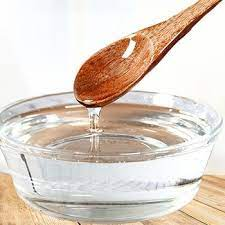
Orycoze is a clarified rice syrup made by enzymatically treating rice flour and filtering the result into a heavy, transparent syrup. It has a mild sweetness with subtle buttery or honey-like notes, and a thick, viscous texture. It’s used as a sweetener and as a stabilizer for moisture and texture in baked goods, snack bars, beverages, dairy alternatives, and confectionery.
Because it’s extracted from rice flour rather than a processed starch, and rice can often be sourced close to where it’s milled, Orycoze typically offers a shorter, more traceable supply chain.
What Is Tapioca Syrup?
Tapioca syrup is extracted from tapioca starch, which comes from cassava roots that are shredded, washed, and dehydrated before processing. In appearance, taste, and texture it’s remarkably close to clarified rice syrup – clear, thick, and mildly sweet with similar flavor notes. It serves the same functional roles: sweetening, thickening, and stabilizing moisture in confectionery and pharmaceutical applications.
Where the Two Syrups Overlap
- Hypoallergenic: Neither is derived from common allergens like corn, nuts, or dairy, making both suitable for allergen-sensitive formulations.
- Gluten-free: Both are naturally free of gluten.
- Plant-based and vegan: Neither contains animal-derived ingredients.
- Functional role: Both work as sweeteners and as stabilizers that help control moisture and texture in finished products.
Where They Differ
Raw Material and Processing
Tapioca syrup starts as tapioca starch, which undergoes shredding, washing, and dehydration before it’s converted into syrup – an inherently more processed starting point. Orycoze is extracted directly from rice flour, which is produced simply by milling raw rice, without an intermediate starch-processing step.
Sourcing and Supply Chain
Rice for Orycoze can typically be sourced regionally, close to the point of production, which supports a shorter and more transparent supply chain. Tapioca starch is often imported from cassava-growing regions, which adds distance, cost, and supply-chain complexity – and makes it harder to verify sourcing claims.
Cost
Because tapioca starch typically has to be imported, tapioca syrup tends to carry a higher landed cost than a regionally sourced rice syrup like Orycoze, which can translate into a more cost-effective finished product.
Carbohydrate Content
Tapioca syrup, as a starch-derived sweetener, tends to be relatively carbohydrate-dense. Formulators working on lower-carbohydrate or reduced-sugar-impact products should factor this in when comparing the two options.
Orycoze vs. Tapioca Syrup at a Glance
| Attribute | Orycoze Rice Syrup | Tapioca Syrup |
|---|---|---|
| Source material | Rice flour | Tapioca (cassava) starch |
| Processing | Enzymatic treatment + filtration | Starch extraction from dehydrated cassava |
| Appearance | Clear, thick, mildly sweet | Clear, thick, mildly sweet |
| Hypoallergenic | Yes | Yes |
| Gluten-free | Yes | Yes |
| Typical sourcing | Regional | Often imported |
| Relative cost | Lower | Higher |
Which Should You Choose?
For formulators prioritizing a shorter, more transparent supply chain, lower landed cost, and a less-processed source material, Orycoze rice syrup is generally the stronger fit. Tapioca syrup remains a solid, hypoallergenic, gluten-free option where its specific flavor or availability profile is preferred – the right choice ultimately depends on your product’s sourcing priorities and cost targets.
Frequently Asked Questions
Can Orycoze rice syrup replace tapioca syrup in a recipe?
Yes. The two syrups share a similar texture, sweetness level, and functional role, so Orycoze can generally be substituted for tapioca syrup at a similar ratio in most formulations.
Is Orycoze rice syrup organic?
Orycoze is available in organic-certified formats; check with your supplier for certification documentation specific to your target market.
Are both syrups suitable for vegan products?
Yes, both are plant-derived and contain no animal products.