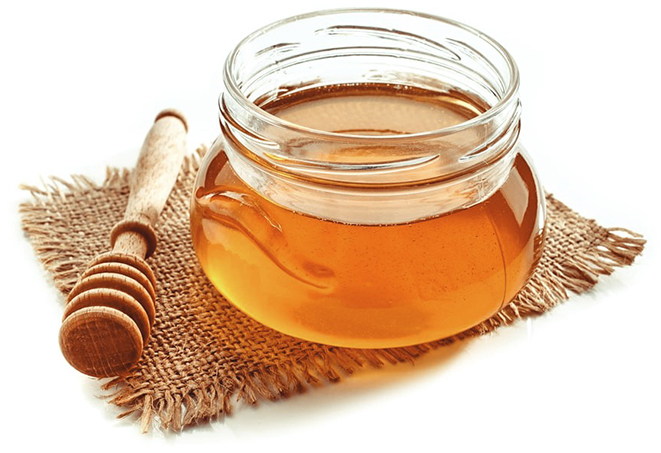
Honey has been a go-to natural sweetener for centuries, but it is not vegan, it can cause allergic reactions, and it is not suitable for babies under one year old. Brown rice syrup, also called rice malt syrup and sold by Agricoze as Orycoze, has emerged as an alternative with a similar colour and texture to honey, without those drawbacks. Here is how brown rice syrup vs honey actually compares.
How Brown Rice Syrup Is Made
Brown rice syrup is produced by cooking brown rice and treating it with natural enzymes, which break the rice starch down into sugars, mainly maltose and glucose. The result is an amber, honey-like syrup with a mild, nutty flavour that many people describe as a cross between honey and butterscotch, which is why it is sometimes called “vegan honey”. In Australia and some other markets it is sold as rice malt syrup.
What Honey Brings to the Table
Honey is made by bees from flower nectar. It contains mostly fructose and glucose, along with small amounts of vitamins, amino acids and minerals, and its flavour varies with the flowers the bees visited. Its main limitations for food manufacturers are that it is not vegan, it contains pollen and bee proteins that can trigger allergic reactions in sensitive people, and it must not be given to infants under 12 months because of the risk of infant botulism.
Brown Rice Syrup vs Honey at a Glance
| Brown rice syrup (Orycoze) | Honey | |
|---|---|---|
| Source | Rice | Bees (flower nectar) |
| Vegan | Yes | No |
| Main sugars | Maltose and glucose | Fructose and glucose |
| Fructose | None | About 40% |
| Sweetness | Milder than sugar and honey | Sweeter than sugar |
| Glycaemic index | High | Moderate |
| Allergen risk | Very low | Pollen and bee proteins |
| Suitable for infants | Yes, in baby food grades | Not under 12 months |
| Flavour | Mild, nutty, butterscotch-like (clarified grade is neutral) | Floral, varies by source |
| Consistency for manufacturing | Standardised DE, colour and Brix | Varies by harvest and region |
Where Brown Rice Syrup Has the Edge
- Vegan: no animal-derived ingredients, so it can replace honey in vegan products.
- Allergen-friendly: no pollen or bee proteins, and free from major allergens.
- Fructose-free: its sugars are maltose and glucose rather than fructose.
- Baby food: unlike honey, rice syrup can be used in infant and toddler foods; Agricoze supplies baby food grades.
- Binding and texture: it holds cereal bars, granola and confectionery together without baking.
- Consistent supply: industrial grades have standardised DE, colour and Brix, while honey varies from harvest to harvest.
Where Honey Has the Edge
Honey is sweeter, so less is needed, it has a lower glycaemic index than rice syrup, and its distinctive floral flavour is valued in its own right. For products where “honey” is part of the appeal and vegan or infant suitability is not required, honey remains a great choice.
Is Brown Rice Syrup Better Than Sugar?
Brown rice syrup is not refined white sugar: it is a minimally processed syrup made from whole grain rice, it contains no fructose, and it adds binding and moisture that dry sugar cannot. But it is still a sugar with a high glycaemic index and similar calories, so it should be used in moderation like any sweetener. For lower-sugar recipes, see our low sugar rice syrup.
How to Substitute Brown Rice Syrup
- For honey: use brown rice syrup 1:1 by volume. It is less sweet, so add a little more if needed, and expect a milder, less floral flavour.
- For sugar: use about 1⅓ cups of brown rice syrup for every 1 cup of sugar, reduce other liquids by about ¼ cup per cup of syrup, and add roughly ¼ teaspoon of baking soda to balance the consistency.
- For a neutral colour: use clarified rice syrup, which is pale and neutral in taste.
The Verdict
Honey remains a well-loved natural sweetener. But for vegan, allergen-friendly and baby food products, or for manufacturers who need consistent, standardised supply, brown rice syrup is a close-tasting and more versatile substitute. Read more in rice honey: the vegan honey, compare brown rice syrup vs corn syrup, or explore Agricoze’s full rice syrup range in organic and conventional quality. Contact us for a free sample.
Brown Rice Syrup vs Honey