
Maltodextrin and modified starches have long been the default bulking and stabilising agents in processed foods, but their unfamiliar names and processed origins increasingly clash with what clean-label consumers expect from an ingredient list. Soluble rice flour, sold by Agricoze as Oryflo, has emerged as a functional maltodextrin replacement that keeps the label simple, because in many markets it can be declared as “rice flour”.
What Is Soluble Rice Flour?
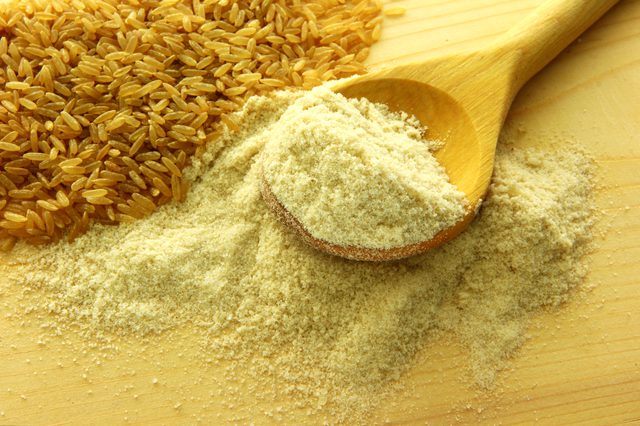
Oryflo soluble rice flour is made from rice grains through a specialised process that makes the flour disperse and dissolve cleanly in liquids, without the grittiness of standard rice flour. It has a neutral taste and fine texture and mimics the functional behaviour of maltodextrin, making it a near drop-in replacement in many formulations.
What Is Maltodextrin (and Rice Dextrin)?
Maltodextrin is a carbohydrate made by partially breaking down starch, typically from corn, wheat, potato or tapioca, into short glucose chains with a DE (dextrose equivalent) below 20. It is inexpensive and widely used as a bulking agent, carrier, stabiliser and texturiser. Rice maltodextrin, sometimes called rice dextrin, is the same type of ingredient made from rice, which makes it non-GMO, gluten-free and free from common allergens. Modified starches are used in similar roles as thickeners and texture enhancers, but their names are unfamiliar to most consumers.
Soluble Rice Flour vs Maltodextrin
| Soluble rice flour (Oryflo) | Maltodextrin | |
|---|---|---|
| Source | Rice | Corn, wheat, potato, tapioca or rice |
| Typical label name | Rice flour (in many markets) | Maltodextrin |
| Functions | Bulking, thickening, stabilising, flavour carrier | Bulking, carrier, stabilising, texturising |
| Composition | Rice carbohydrate with some of the rice’s natural protein | Almost pure carbohydrate |
| Gluten and allergens | Gluten-free, allergen-friendly | Depends on source; wheat-based grades need checking |
| GMO status | Non-GMO | Corn grades are often GM unless certified |
| Consumer perception | Familiar, clean label | Seen as processed by many shoppers |
Alternatives to Maltodextrin
If you want to replace corn or wheat maltodextrin, the right alternative depends on what the maltodextrin is doing in your product:
- Soluble rice flour: the cleanest label option for bulking, thickening and carrying flavours, declared as rice flour in many markets.
- Rice maltodextrin: the closest functional match, with the same behaviour as corn maltodextrin but from non-GMO, allergen-free rice; available in 10 DE and 18 DE and in variable bulk densities.
- Rice syrup solids: when you also need some sweetness and chewiness; rice syrup solids come in 24 to 42 DE.
- Fibres such as inulin or acacia gum: used where a lower-sugar or fibre claim matters, though they behave differently in processing and taste.
Why Formulators Are Switching to Soluble Rice Flour
- Clean, transparent labelling: no complex or unfamiliar ingredient names.
- Comparable functionality: works as a bulking agent, thickener, stabiliser and flavour carrier, matching maltodextrin’s role.
- Familiar origin: rice is one of the most trusted grains, including in infant cereals.
- Gluten-free and allergen-friendly: naturally free from gluten, soy, dairy and nuts, suitable for allergen-conscious product lines.
- Non-GMO: made from rice without genetic modification.
- Traceable sourcing: Agricoze’s facility is located in Pakistan’s rice-growing belt, supporting a short, traceable supply chain.
Where It’s Used
- Bakery: adds tenderness and moisture retention to gluten-free breads, cakes and pastries.
- Beverages and dairy alternatives: creamy, smooth textures in smoothies, plant-based milks and functional drinks, including energy drinks.
- Soups, sauces and dressings: thickens and stabilises with consistent viscosity.
- Nutrition bars and protein powders: improves texture and mouthfeel.
- Infant cereals and baby food: a familiar rice base with a smooth texture.
Beyond Food: Cosmetic Use
Soluble rice flour is also used in skincare and hair care formulations; see our guide to soluble rice flour in cosmetics and hair care.
The Bottom Line
For food manufacturers weighing maltodextrin or modified starches against a clean-label alternative, soluble rice flour delivers comparable bulking, thickening and stabilising performance with a simpler, more familiar label. If you need an exact functional match instead, rice maltodextrin keeps the same behaviour while moving to a non-GMO, allergen-free source. Agricoze manufactures both, along with rice syrup solids, in organic and conventional quality. Contact us for samples, or read our introduction to soluble rice flour.
Maltodextrin Alternatives