
Brown rice syrup and corn syrup are both liquid sweeteners made by breaking down starch into sugars, and they are often used for the same jobs: binding cereal bars, controlling crystallisation in candy, adding body to sauces and sweetening drinks. But they differ in source, flavour, labelling and, in the case of high-fructose corn syrup, sugar profile. Here is how rice syrup vs corn syrup compares, and when each one makes sense.
What Is Brown Rice Syrup?
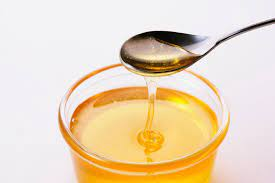 Brown rice syrup is made by cooking brown rice and treating it with natural enzymes that convert the rice starch into sugars, mainly maltose and glucose. The result is an amber, caramel-coloured syrup with a mild butterscotch flavour. It is naturally fructose-free and gluten-free, and is available in organic quality. A pale clarified rice syrup, made from white rice, offers the same functionality with a neutral colour and taste.
What Is Corn Syrup?
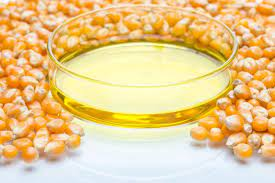 Corn syrup is made from corn starch that is broken down into glucose and other sugars. Regular corn syrup is mostly glucose and has a clean, neutral sweetness; light corn syrup is clear, while dark corn syrup has added molasses-type flavour. It is different from high-fructose corn syrup (HFCS), which is further processed to convert part of the glucose into fructose and is widely used in soft drinks.
Brown Rice Syrup vs Corn Syrup: Key Differences
| Brown rice syrup | Corn syrup | High-fructose corn syrup | |
|---|---|---|---|
| Source | Rice | Corn | Corn |
| Main sugars | Maltose and glucose | Glucose | Fructose and glucose |
| Fructose | None | None | About 42-55% |
| Colour and flavour | Amber, mild butterscotch (clarified grade is neutral) | Clear and neutral (light) or dark | Clear and very sweet |
| GMO status | Non-GMO rice | Often made from GM corn unless certified non-GMO | Often made from GM corn |
| Allergens | Free from major allergens | Corn-derived | Corn-derived |
| Organic availability | Widely available | Limited | Rare |
| Clean-label appeal | High | Moderate | Low |
In calories, the two syrups are similar: both are concentrated sugars, so neither is a low-calorie sweetener.
Is Rice Syrup Better Than Corn Syrup?
For most food manufacturers, rice syrup is chosen over corn syrup for labelling and sourcing rather than nutrition. Rice syrup is non-GMO, available organic, corn-free and free from major allergens, and “rice syrup” or “brown rice syrup” reads as a more natural ingredient to many consumers than “corn syrup”. Compared with high-fructose corn syrup, rice syrup also has the advantage of containing no fructose.
Corn syrup’s advantages are price and familiarity: it is usually cheaper and widely available. Nutritionally, both are sugars with a high glycaemic index and should be used in moderation.
Using Rice Syrup as a Corn Syrup Alternative
Rice syrup can replace corn syrup in most formulations at a similar ratio, although it is slightly less sweet, so recipes may need small adjustments.
- Clarified rice syrup is the closest match to light corn syrup, with a clear colour and neutral taste.
- Brown rice syrup suits granola and cereal bars, baked goods and darker confectionery, where its caramel note is welcome.
- DE choice matters: Agricoze rice syrups are available from 28 to 60 DE; higher DE is sweeter and more fluid, lower DE gives more body and chew.
- Less sugar: our low sugar rice syrup gives similar sweetness with less sugar, and high-maltose rice syrup suits hard candy and brewing.
Is Brown Rice Syrup Healthy?
Brown rice syrup is fructose-free and contains small amounts of minerals from the rice, but it is still a sugar with a high glycaemic index, so it is not a health food and should be used in moderation like any sweetener. Because rice can take up trace arsenic from soil and water, manufacturers should source rice syrup from suppliers that test for heavy metals and can provide test reports.
Demand for Brown Rice Syrup
Demand for brown rice syrup has grown with clean-label, organic and plant-based products, as brands look for corn-free, non-GMO and allergen-friendly sweeteners for cereal bars, baby food, beverages and confectionery. Read more about clean-label rice syrup and how rice syrup compares with tapioca syrup and honey.
The Takeaway
Brown rice syrup and corn syrup do the same job in many recipes. Corn syrup wins on cost; rice syrup wins on clean label, non-GMO and organic sourcing, allergen profile and, compared with high-fructose corn syrup, the absence of fructose. Agricoze manufactures organic and conventional rice syrup in brown, clarified, low sugar and high-maltose grades. Contact us for a free sample.
Rice Syrup vs Corn Syrup